
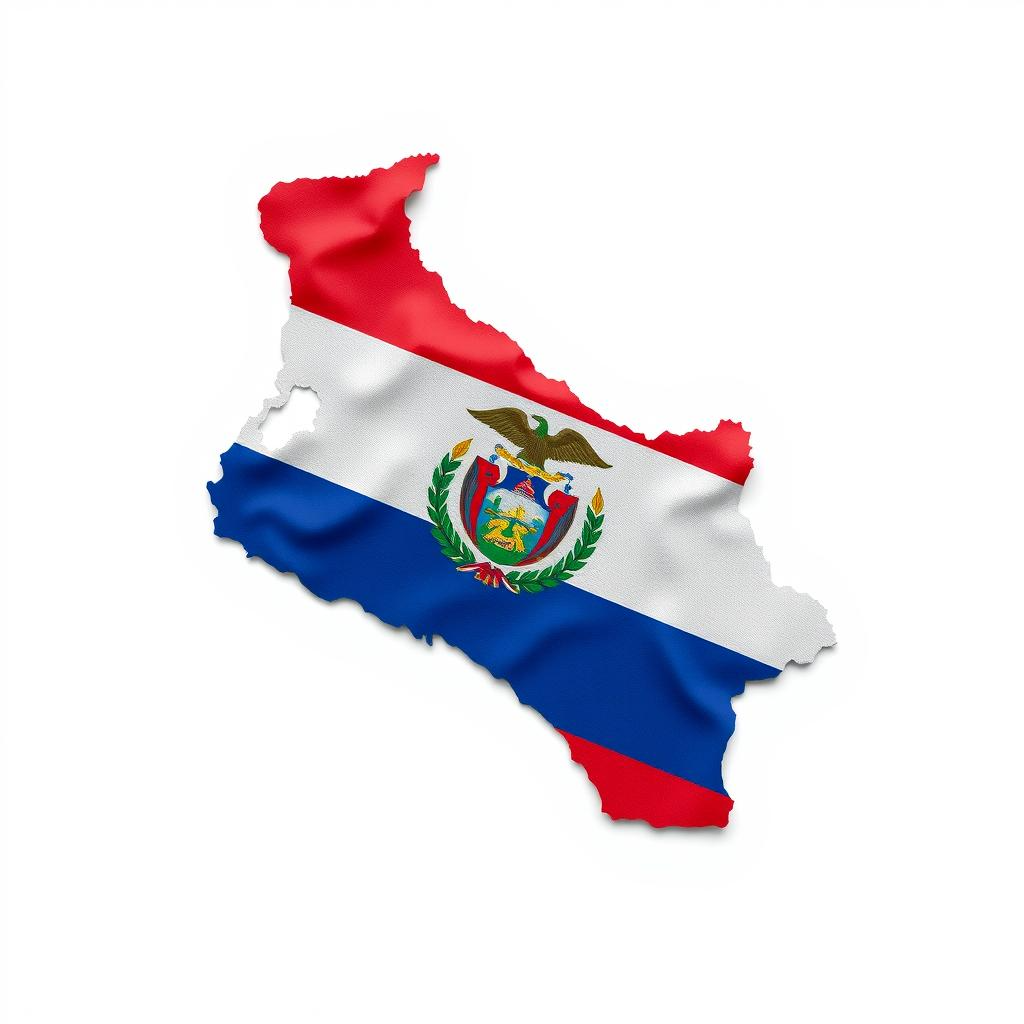
For too long, El Salvador has remained a mystery on the global tourist map. It is a nation brimming with vibrant culture. It offers staggering natural beauty. The country is ready for its moment of discovery. This is not just another Central American destination. It is a profound experience. A travel destination that rewards the bold. It offers authenticity rarely found elsewhere.
Visitors seeking a truly unforgettable vacation must look here. El Salvador is the smallest country in the region. However, it boasts the largest spirit. From soaring volcanoes to world-class surf breaks, the attractions are diverse and mesmerizing. This comprehensive guide details everything needed to plan the ultimate Salvadoran holiday. It outlines the best places to stay, the must-see sights, and the flavors that define this remarkable land. Prepare for an inspiring tour.
Cities: The Cultural Heartbeat
The cities of El Salvador tell a story of renewal and resilience. They are centers of commerce, history, and modern life. Each offers a unique perspective on the nation’s soul. Exploring these urban hubs is essential for any visitor. They provide vital context for the country’s progress.
San Salvador: The Dynamic Capital
San Salvador is a sprawling metropolis. It serves as the political and economic engine of the country. Many visitors arrive here first. The city presents a contrast of modern infrastructure and deeply historic sites.
The historic center is undergoing a dramatic revitalization. The Metropolitan Cathedral is a magnificent structure. It dominates the central square. Nearby, the National Palace is a testament to architectural grandeur. Similarly, the National Theater, recently restored, offers stunning design and regular performances. A dedicated tour of this area reveals the city’s commitment to preserving its past.
For those interested in contemporary culture, the Zona Rosa is recommended. It features upscale dining and thriving nightlife. The museums within the city are also world-class. For instance, the National Museum of Anthropology (MUNA) provides deep insight into pre-Columbian history. Finding quality hotels is easy here. They range from boutique accommodations to major international chains. The energy of San Salvador is palpable.
Santa Ana: A Gateway to the West
Santa Ana is the second-largest city. It offers a more relaxed pace than the capital. It is particularly famous for its spectacular Gothic cathedral. This cathedral is widely considered one of the finest in Central America. Santa Ana’s charm lies in its colonial architecture and proximity to natural wonders.
The city is the perfect base for exploring the famous Ilamatepec Volcano (Santa Ana Volcano). This volcano is one of the nation’s highest peaks. Therefore, many travelers choose Santa Ana for several days. The city’s central market provides a bustling, authentic experience. Visitors can sample local produce and street food. The experience is truly immersive. In other words, Santa Ana offers the convenience of a city coupled with immediate access to adventure attractions.
Suchitoto: The Jewel of Colonial Heritage
Suchitoto feels like stepping back in time. This charming colonial town sits overlooking Lake Suchitlán. Its cobbled streets and whitewashed architecture are instantly captivating. Art galleries and artisan shops line the historic pathways.
The town emphasizes cultural preservation. It hosts numerous festivals throughout the year. It provides lovely boutique hotels and guesthouses. These accommodations often feature stunning lake views. Taking a boat tour on Lake Suchitlán is highly recommended. It allows for birdwatching and views of the surrounding mountains. Suchitoto is often cited by travelers as the highlight of their holiday. It offers peace and beauty. It is an essential stop for a memorable travel itinerary.
National Parks: An Oasis of Biodiversity
El Salvador is known as the Land of Volcanoes. Its natural landscape is dramatic and varied. The system of National Parks protects crucial ecosystems. These areas offer incredible opportunities for hiking, wildlife viewing, and ultimate escape. They are major anchors for any adventure vacation.
El Imposible National Park
The name itself suggests an untamed wilderness. El Imposible is one of El Salvador’s most significant conservation areas. It protects some of the last remnants of rainforest. The park is home to a staggering array of biodiversity. Rare birds, pumas, and ocelots make their home here.
The park offers challenging and rewarding hiking trails. Visitors can explore cascading waterfalls and deep river canyons. A guided tour is mandatory for many of the deeper treks. The views from the higher elevations are truly breathtaking. This park is a testament to El Salvador’s commitment to nature.
In addition, the park’s name comes from a dangerous pass once used by coffee transporters. It is no longer impossible to cross. However, the rugged terrain demands respect. This destination is ideal for the serious nature traveler.
Cerro Verde National Park Complex
This park is arguably the most famous. It links three majestic volcanoes: Izalco, Cerro Verde, and Santa Ana. The complex provides some of the country’s most iconic views.
Cerro Verde itself is an extinct volcano. Its crater is now a lush green forest. From its summit, visitors get panoramic views. They can see the cone of Izalco and the majestic Lake Coatepeque below.
The hike up the Santa Ana Volcano is a staple attraction. It culminates in a stunning turquoise crater lake. This moderately strenuous hike is incredibly popular. Therefore, early starts are recommended to avoid crowds and heat. Visitors should hire one of the certified local guides for safety and insight. The views of the ‘Pacific Ring of Fire’ are unparalleled. This area is a cornerstone of an active holiday.
Montecristo National Park (El Trifinio)
Located in the northwestern corner, Montecristo forms part of the ‘El Trifinio’ region. This is where Guatemala, Honduras, and El Salvador meet. It is a critical high-altitude cloud forest. The climate here is perpetually misty and cool.
The forest is famous for its ‘Hundred-Year-Old Forest’ trail. Giant trees are draped in moss and bromeliads. This creates an ethereal, mysterious atmosphere. Wildlife enthusiasts frequently spot rare orchid species and diverse birdlife.
Access to Montecristo is more controlled than other parks. Permits are often required in advance. In other words, planning the travel logistics for this park is crucial. It is a unique attraction for those seeking pure ecological immersion.
Travel Guide: Planning Your Perfect Salvadoran Journey
Planning a travel itinerary in El Salvador is straightforward. The country is compact, making travel between key attractions relatively quick. Short distances mean visitors can easily combine city breaks, beach time, and mountain hikes into a single vacation.
Getting Around and Safety
El Salvador has invested heavily in improving infrastructure. Major roads are generally well-maintained. The primary forms of transport for tourists are shuttle services, private drivers, and rental cars.
For intercity travel, specialized tourist shuttles are reliable and comfortable. After that, for shorter distances or customized tours, hiring a private driver provides maximum flexibility. While renting a car is possible, navigating city traffic and ensuring secure parking can be challenging.
Safety awareness is always important. The government has prioritized tourism safety. Tourist areas and major routes are well-patrolled. Travelers should exercise standard precautions. It is best practice to avoid displaying valuables. It is wise to seek advice from local hotels or guides before venturing into unfamiliar areas.
Accommodation Options and Hotels
Accommodation ranges widely. It caters to all budgets for a comfortable vacation.
Luxury & Boutique: High-end hotels are found in San Salvador and along the Pacific coast (especially in surf towns like El Tunco). They offer world-class amenities.
Mid-Range Comfort: Excellent mid-range options exist across all major cities and tourist attractions. Many offer pools and good restaurant services.
Budget & Hostels: Backpackers will find clean, affordable guesthouses and hostels. These are especially prevalent near hiking areas and beaches.
Booking accommodations in advance, particularly during peak holiday season (December-January and Easter), is highly recommended.
Necessary Paperwork and Logistics
Most visitors need a passport valid for at least six months. Many nationalities can obtain a Tourist Card upon arrival. This typically costs around $12. The official currency is the U.S. dollar, simplifying transactions significantly. This factor streamlines the overall travel experience.
Therefore, there is no need to worry about currency exchange upon arrival. Spanish is the official language. While English is spoken in major hotels and tourist attractions, learning a few basic phrases demonstrates respect and enhances interaction.
The Ruta de las Flores: A Scenic Tour
No travel guide to El Salvador is complete without mentioning the Ruta de las Flores (Route of the Flowers). This scenic route winds through charming colonial towns and coffee plantations in the western highlands.
Apaneca and Ataco: These towns are known for their vibrant murals and cool, temperate climate.
Juayúa: Famous for its weekend food festival. This is a culinary attraction in itself.
This route is perfect for a multi-day tour. It offers a blend of culture, history, and gastronomy. For instance, visitors can participate in a coffee plantation tour to understand the journey from bean to cup.
Culinary Delights: A Taste of Tradition
The Salvadoran table is defined by simplicity, flavor, and immense warmth. The culinary scene is a core attraction of the travel experience. Food is intrinsically linked to culture and community.
The Mighty Pupusa
The pupusa is the national dish. It is a thick, handmade corn tortilla stuffed with savory fillings. Common fillings include cheese, ‘chicharrón’ (shredded pork), or refried beans.
Pupusas are served with curtido (a lightly fermented cabbage slaw) and mild salsa roja. Eating pupusas is a mandatory part of any holiday. They are inexpensive and delicious. They are widely available from street vendors (known as pupuserías). Experiencing the communal atmosphere of a late-night pupusería is highly motivational for connecting with local life.
Coffee Culture
El Salvador’s highlands produce world-renowned Arabica coffee. The high altitude and rich volcanic soil create complex and nuanced flavors. Coffee plantation tours are an essential part of the travel itinerary, especially along the Ruta de las Flores.
Visitors can learn about the harvesting and roasting process. In addition, they can sample various high-quality brews. Supporting the coffee industry helps sustain local communities. It adds a delicious layer to the overall vacation experience.
Coastal Cuisine and Seafood
Given its Pacific coastline, El Salvador excels in seafood. Coastal towns offer exceptionally fresh catches. Look for sopa de mariscos (seafood soup) and grilled fish served with rice and plantains.
Another must-try dish is ceviche. This is fresh seafood marinated in lime juice and spices. Similarly, travelers should sample cóctel de conchas (cocktail of black clams). This savory, rich dish is a local favorite. The culinary attractions alone are worth the travel.
Beyond the Surface: Unique Salvadoran Attractions
El Salvador offers more than just cities and parks. It has unique, standout experiences that define a truly adventurous holiday.
Surfing the Pacific
El Salvador is rapidly earning global recognition as a top surfing destination. The coastline offers consistent, powerful waves. Breakpoints like El Tunco, El Sunzal, and La Bocana draw surfers from around the world. These areas offer surf camps, board rentals, and lessons. They cater to all skill levels.
The vibrant atmosphere in towns like El Tunco is infectious. It is a mix of laid-back surf culture and lively nightlife. The combination of excellent waves and inexpensive living makes this a premier attraction.
Lake Coatepeque: The Crater Lake Marvel
Lake Coatepeque is often listed among the world’s most beautiful crater lakes. It sits majestically near the Cerro Verde complex. This vast body of water is a former volcanic caldera. Its deep blue water occasionally turns a stunning turquoise color. This phenomenon happens due to mineral upwelling.
The lake is popular for watersports. Lakeside hotels and fine dining restaurants make it an ideal spot for relaxation. Taking a boat tour on the lake provides unparalleled views of the surrounding mountainsides.
Joya de Cerén Archaeological Site
This UNESCO World Heritage site is often called the ‘Pompeii of the Americas.’ Joya de Cerén was a Mayan farming village. It was perfectly preserved under layers of volcanic ash around 600 AD.
Unlike the towering pyramids of other Mayan attractions, Joya de Cerén shows the daily life of ordinary people. Visitors can view homes, storage areas, and even kitchen tools, all preserved in their original state. This site provides an intimate look into ancient civilization. Therefore, it is a profound historical stop on any travel itinerary.
In Conclusion: The Call to Discover El Salvador
El Salvador is a nation built on resilience and characterized by unparalleled beauty. It offers the intrepid traveler a unique blend of adventure, culture, and relaxation. The warmth of the people is its greatest attraction. They welcome visitors with genuine enthusiasm.
The planning process for a Salvadoran vacation is simple. Excellent infrastructure connects the bustling cities with serene national parks. The wide variety of quality hotels ensures comfort at every price point. Whether seeking the thrill of a volcanic hike, the flavor of authentic culinary traditions, or a relaxing beach holiday, El Salvador delivers.
In conclusion, now is the time to visit. Leave the ordinary behind. Embrace the extraordinary tour that awaits in Central America’s vibrant, hidden heart. El Salvador is ready to be discovered.