
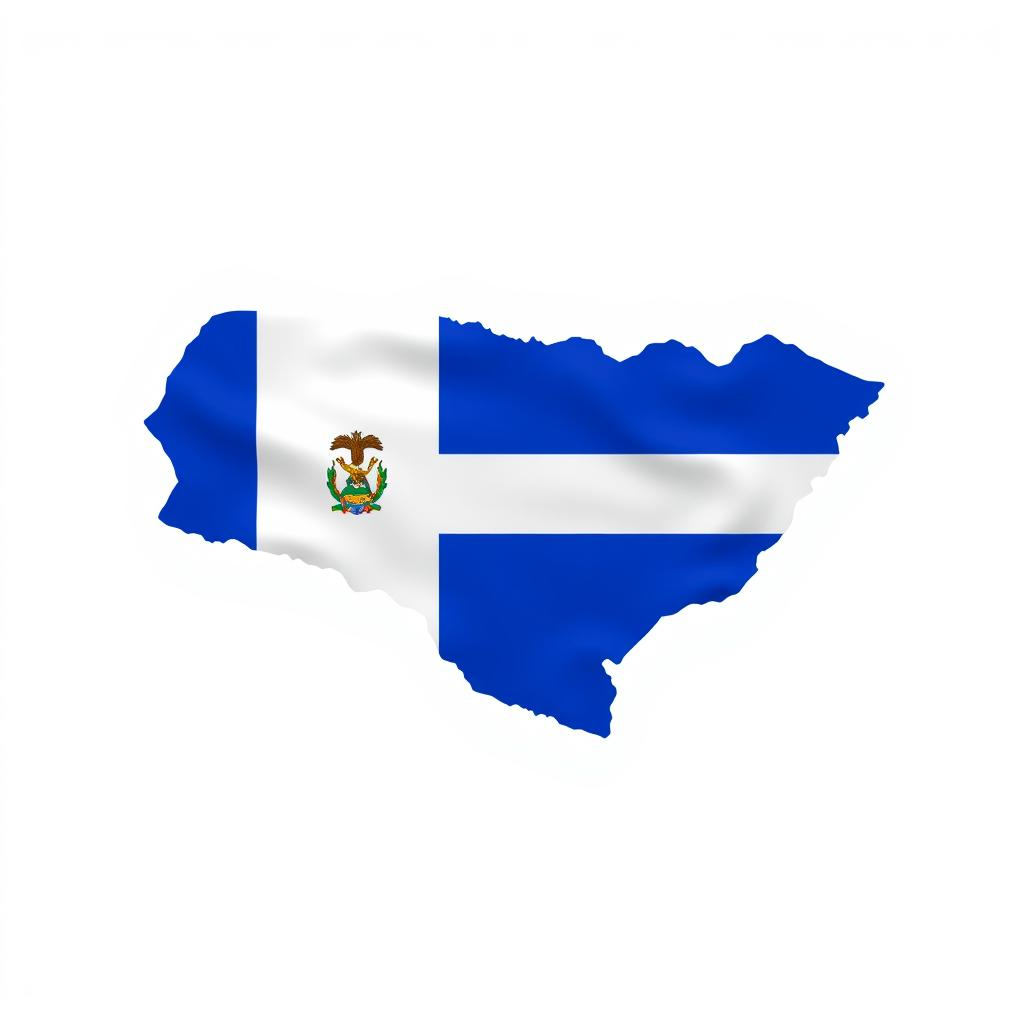
The world often praises familiar destinations. Travelers flock to known paths. However, there remains a vibrant, untamed heart in Central America. It is waiting for the true explorer. That place is Nicaragua.
Nicaragua offers an unparalleled blend of colonial history, fierce volcanic landscapes, and authentic local life. It is Central America’s largest nation. Therefore, it presents a vast canvas of experiences. This destination is ideal for those seeking meaningful travel. It provides incredible value and unforgettable attractions. Nicaragua is not just a place to visit; it is a place to be transformed. This is the ultimate guide to planning your Nicaraguan vacation. It details the cities, the wilderness, the flavors, and the essential logistics. Prepare to answer the call of adventure.
Cites: Where History and Revolution Collide
Nicaragua’s urban centers are living museums. They showcase grand colonial architecture alongside revolutionary spirit. These cities are anchors for any comprehensive tour. In addition, they provide a necessary cultural grounding before exploring the wilder regions.
Granada: The Crown Jewel of Colonialism
Granada is perhaps the most famous of Nicaragua’s attractions. It sits peacefully on the shores of Lake Nicaragua. This city captures the essence of Spanish colonial grandeur. Its streets are laid out in a perfect grid. They are lined with brightly painted buildings. These structures feature intricate wooden balconies. The city was founded in 1524. It is one of the oldest European settlements in the Americas.
The centerpiece is the mustard-yellow Catedral de Granada. It dominates the Parque Central. This park is the social heart of the city. People gather here from morning until night. Similarly, the Convent of San Francisco offers stunning views and historical depth. A visit to La Merced Church is also essential. Climbing its bell tower provides panoramic vistas of the terracotta rooftops. One can also see the imposing Mombacho Volcano in the distance.
For instance, an afternoon boat tour of the Isletas is highly recommended. These 365 tiny volcanic islands were formed centuries ago. They dot Lake Nicaragua. These small islands are home to luxury residences, eco-lodges, and playful monkeys. This area provides a serene escape from the city heat. Granada is the perfect base for relaxed holidays. It boasts boutique hotels and exceptional local dining. The pace of life here encourages contemplation.
León: The Intellectual and Revolutionary Heart
A stark contrast to Granada’s polished colonial elegance is León. León pulsates with revolutionary energy and intellectual fervor. This city is the historical rival of Granada. It was the nation’s political battlefield for generations. Today, León is home to the National Autonomous University of Nicaragua. This gives the city a youthful, vibrant character.
León is critical to understanding Nicaraguan identity. It was here that the Sandinista revolution found its deepest roots. The city’s history is etched onto its walls. Striking murals depict revolutionary heroes and political struggles. Therefore, a walking tour focused on political history is highly illuminating.
The massive Catedral de la Asunción is the city’s undisputed landmark. It is Central America’s largest cathedral. Visitors are specifically invited to climb to the roof. This experience is truly unique. Walking barefoot across its pristine white domes is mandatory. The view is spectacular. One can see the city below and the chain of surrounding volcanoes. In other words, the landscape becomes the art.
Accommodation in León ranges widely. There are historic hacienda-style hotels and simple, welcoming guesthouses. After that, many travelers take a short trip to the nearby Pacific coast. Las Peñitas offers rugged beaches and excellent opportunities for surfing. León offers a more profound, education-focused type of vacation. It requires immersion in the nation’s complex past.
Managua: The Capital Crossroads
While travelers often bypass Managua, the capital is the country’s economic engine. It serves as a necessary hub for travel. Managua was devastated by major earthquakes in 1931 and 1972. As a result, it lacks the concentrated colonial center found in Granada or León.
The city is rebuilding itself. Major attractions include the National Museum and the Old Cathedral ruins. These ruins stand as silent witnesses to the city’s tragic past. Managua provides access to excellent international hotels. It also facilitates transportation to other points of interest. It is a city of transit and commerce. The capital is a vital piece of the Nicaraguan puzzle.
National Parks: The Land of Lakes and Volcanoes
Nicaragua is famously known as the land of lakes and volcanoes. Its protected areas are dramatic and diverse. They offer endless attractions for those seeking active holidays. The raw power of nature is palpable here.
Ometepe Island: The Oasis in the Lake
Ometepe is a truly iconic Nicaraguan destination. It is the world’s largest volcanic island within a freshwater lake. Lake Nicaragua is immense. Ometepe is formed by two majestic volcanoes: Concepción (active and conical) and Maderas (dormant and cloud-forested).
Getting to Ometepe requires a ferry travel. This crossing enhances the sense of arrival. The island offers unique biodiversity. It is a UNESCO Biosphere Reserve. Hiking is the primary attraction. Climbing the challenging slopes of Concepción is a goal for serious trekkers. This ascent rewards climbers with unparalleled views. However, the Maderas hike is a more serene experience. It leads through an ethereal cloud forest to a crater lake.
Ometepe offers more than just mountaineering. Visitors can kayak through the wetlands of the Istián River. Pre-Columbian petroglyphs can be explored throughout the island. The accommodation here leans toward eco-lodges and sustainable hotels. They emphasize connection with nature. This island is the quintessential adventure vacation. It allows travelers to disconnect entirely from modern life. The sheer scale of the landscape is motivating.
Masaya Volcano National Park: Witnessing the Inferno
Masaya Volcano is one of the most accessible active volcanoes globally. It is located just a short drive from Managua and Granada. This national park allows visitors to drive almost to the lip of the crater. In other words, the power of the earth is immediately accessible.
The sight is most dramatic after sunset. Night tours are extremely popular. Visitors peer into the Santiago crater. They often observe bubbling red lava deep within the vent. The sulfurous fumes and the stark, barren landscape create an otherworldly experience. Therefore, Masaya is a short but incredibly impactful visit. It highlights the volatile geologic forces shaping Nicaragua.
The park also features a museum. It details the history and geology of the area. Early Spanish colonizers believed the volcano was the “Mouth of Hell.” They even planted a cross at the rim to ward off evil spirits. The intensity of this natural wonder is unforgettable. It is one of Central America’s most compelling natural attractions.
Mombacho Volcano Natural Reserve: Cloud Forest Canopy
Mombacho Volcano is located near Granada. This dormant volcano creates its own microclimate. It is shrouded in a humid cloud forest. This reserve is a haven for biodiversity. It is home to endemic species of orchids and insects.
The primary attraction here is the canopy tour. Travelers zip line through the mist-shrouded treetops. This provides thrilling travel experience. Mombacho also offers various hiking trails around the craters. They provide stunning views of Lake Nicaragua and Granada. The cool, damp air contrasts sharply with the lowland heat. This makes Mombacho a refreshing retreat.
The reserve is meticulously maintained. It focuses on conservation and education. Similarly, other important protected areas like the Indio Maíz Biological Reserve further south showcase Nicaragua’s vast rainforests. These areas require deeper commitment. They offer challenging but rewarding jungle holidays.
Culinary: The Hearty Flavors of Home
Nicaraguan cuisine is often overlooked. It is based on simple, hearty ingredients. These dishes reflect the agricultural richness of the country. Exploring the local food market is an essential part of any tour. It offers insight into the daily rhythm of life.
The Foundation: Gallo Pinto and Beyond
The undisputed king of Nicaraguan cuisine is Gallo Pinto. This dish means “spotted rooster.” It is a fundamental staple. It consists of white rice and red beans, cooked together and seasoned. It is served at breakfast, lunch, and dinner. In addition, it is more than just a side dish. Gallo Pinto is the nutritional bedrock of the nation.
Another weekend favorite is the Nacatamal. This is Nicaragua’s version of the tamale. It is an enormous mound of seasoned corn dough. The dough is filled with marinated pork or chicken, rice, potatoes, and often a sprig of mint. It is wrapped in plantain leaves and slow-cooked for hours. Nacatamales are traditionally enjoyed on Saturday or Sunday mornings. They are a beloved cultural ritual.
Street Food and Sweets
When in Granada, travelers must seek out Vigorón. This famous street food is served wrapped in a banana leaf. It consists of boiled yuca (cassava), crunchy fried pork rinds (chicharrón), and a tangy shredded cabbage salad. It is quick, affordable, and deeply flavorful. It provides a perfect refueling stop during a busy sight-seeing travel day.
Nicaragua also boasts excellent tropical fruits. Mangoes, papaya, and starfruit are abundant. For drinks, try fresco de cacao (a chocolate drink) or tiste (a corn and cacao beverage).
Finally, Nicaragua is renowned for its coffee and rum. The mountainous regions produce exceptional high-altitude coffees. These are exported globally. In Conclusion, any vacation must include a sip of Flor de Caña rum. This internationally acclaimed rum is aged using sustainable methods. It is the perfect accompaniment to the warm evening air. After that, travelers will truly appreciate the local gastronomy.
Travel Guide: Planning Your Empowering Journey
Successfully navigating Nicaragua requires practical knowledge. The country is safe, accessible, and ready for visitors. Strategic planning will maximize the enjoyment of your holidays.
Logistics and Getting Around
Nicaragua is connected internationally via Managua’s Augusto C. Sandino International Airport (MGA). Therefore, most travelers begin their journey here. From the capital, private shuttles and express buses connect the major cities (Granada and León) efficiently.
For the budget travel, the chicken bus (old American school buses repurposed and lavishly decorated) is an experience in itself. They are slow but offer essential local interaction. Taxis are widely available. Negotiating the price before getting in is crucial. Safety is a priority. Using recognized tour operators for longer distances is highly recommended.
Accommodation: From Luxury to Eco-Conscious Hotels
The range of accommodation caters to every budget. Nicaragua truly excels in providing high-quality experiences without the inflated prices of some neighboring countries.
Luxury and Mid-Range: In Granada and León, colonial mansions have been converted into stunning boutique hotels. They feature inner courtyards, swimming pools, and high-end service. These offer a sublime resting place after a day of exploring attractions.
Eco-Lodges: On Ometepe and the Pacific coast, travelers will find fantastic eco-lodges. They focus on minimizing environmental impact. They offer rustic comfort and unique access to nature.
Budget Hostels: Backpacker hostels are plentiful, particularly in San Juan del Sur and León. They provide a social atmosphere critical for solo travel.
Best Time for a Vacation
Nicaragua has two main seasons: the dry season (verano) and the wet season (invierno).
Dry Season (December to April): This is the high season. Skies are clear, making mountain tour activities ideal. However, this is the hottest period, especially in March and April. Prices for hotels will be slightly higher.
Wet Season (May to November): This is the low season. Mornings are typically sunny. Rain often arrives in the afternoon. The rain keeps the landscape lush and green. This is the best time for budget travelers. In other words, the landscape is dramatically beautiful, though some roads can be challenging.
Essential Travel Tips
Currency: The official currency is the Córdoba (NIO), but US dollars are widely accepted in tourist areas and major hotels.
Language: Spanish is the official language. Learning a few key phrases enhances the travel experience significantly.
Connectivity: Wi-Fi is standard in most hotels and cafes. Purchasing a local SIM card is easy and affordable.
Conclusion: The Invitation to Authenticity
Nicaragua is a country of intense beauty and deep resilience. Its vibrant cities, thunderous volcanoes, and friendly people offer a unique vacation experience. This nation provides the kind of rich, complex, and rewarding travel that seasoned explorers crave.
Do not merely seek relaxation. Seek transformation. Engage with the history. Climb the volcanoes. Taste the hearty cuisine. Nicaragua offers a truly authentic adventure. It is waiting to exceed every expectation. Plan your journey today. Embrace the call of Central America’s most compelling destination. Therefore, the time for this unforgettable tour is now.


